
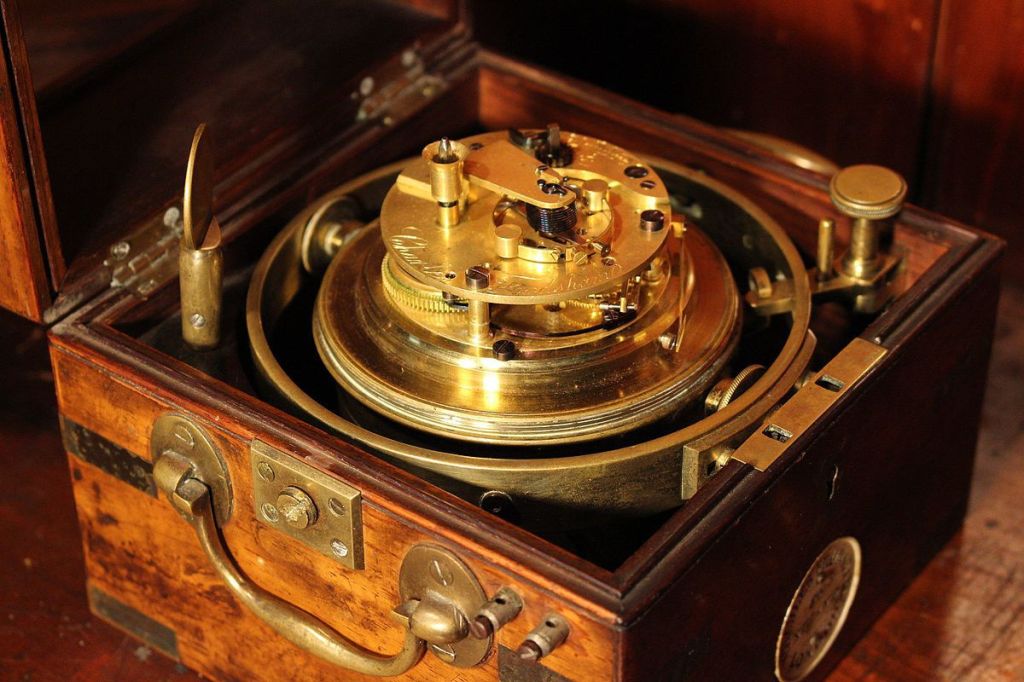
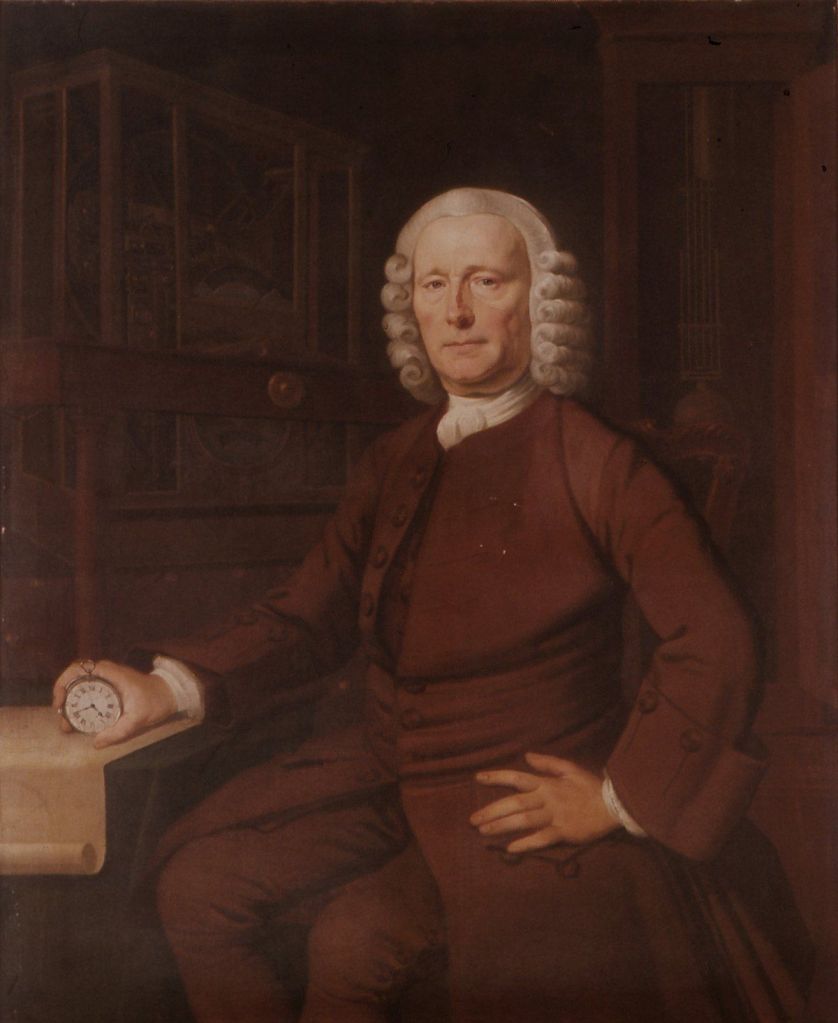
The marine chronometer is a highly precise timepiece that played a crucial role in navigation, particularly for determining longitude at sea. By comparing the time in Greenwich, England, with local time, sailors could accurately calculate their position. John Harrison’s groundbreaking work on the chronometer, which spanned several decades, was instrumental in solving the longitude problem, revolutionizing maritime navigation and enabling safer, more efficient travel across the world’s oceans. His innovative solution had a profound impact on the history of navigation, transforming the way sailors charted their courses and opening up new possibilities for exploration and trade.

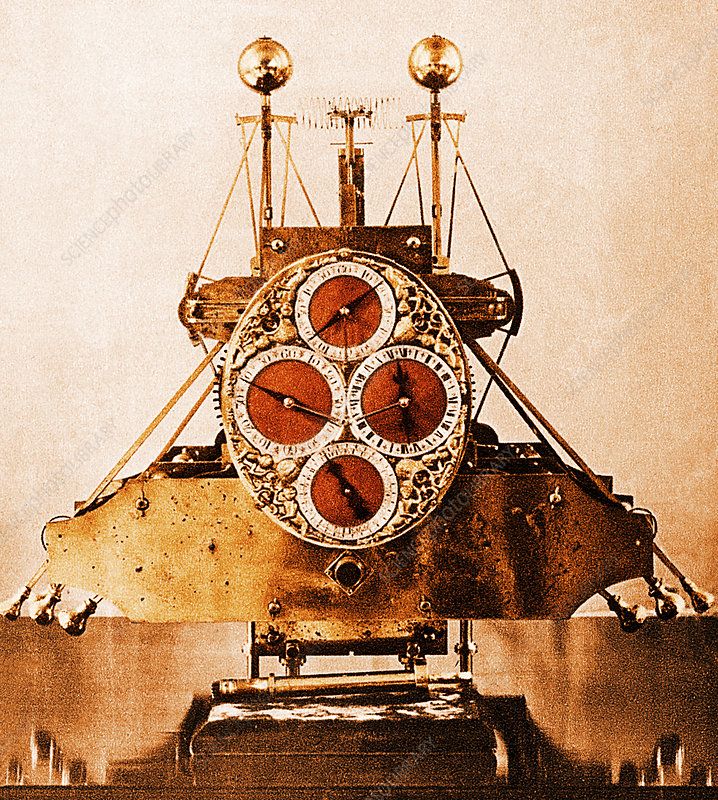
The term “chronometer” originates from the Greek words “chronos,” meaning time, and “meter,” meaning measure. One of the earliest theoretical descriptions of a marine chronometer can be found in William Derham’s 1713 book “Physico-Theology.” Today, the term is also used to describe watches that have been tested and certified for their precision, meeting specific standards.


💬 COMMENT