

How Metal Detectors Work
Metal detectors are devices used to detect the presence of metal objects, often utilized in security screening, archaeology, or industrial settings. They operate on principles of electromagnetic induction or other sensing technologies.
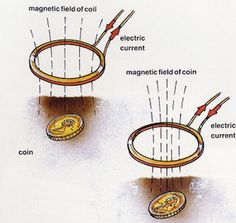
Metal detectors typically use a coil to generate a magnetic field. When metal is near, it disturbs this field, and the detector senses this change. The disturbance in the magnetic field is processed to alert the user to the presence of metal.
Types of Metal Detectors
Handheld metal detectors are often used for security screening. Walk-through metal detectors are common at airports or events for security checks. Industrial metal detectors are used in manufacturing to detect metal contaminants.
Applications of Metal Detectors
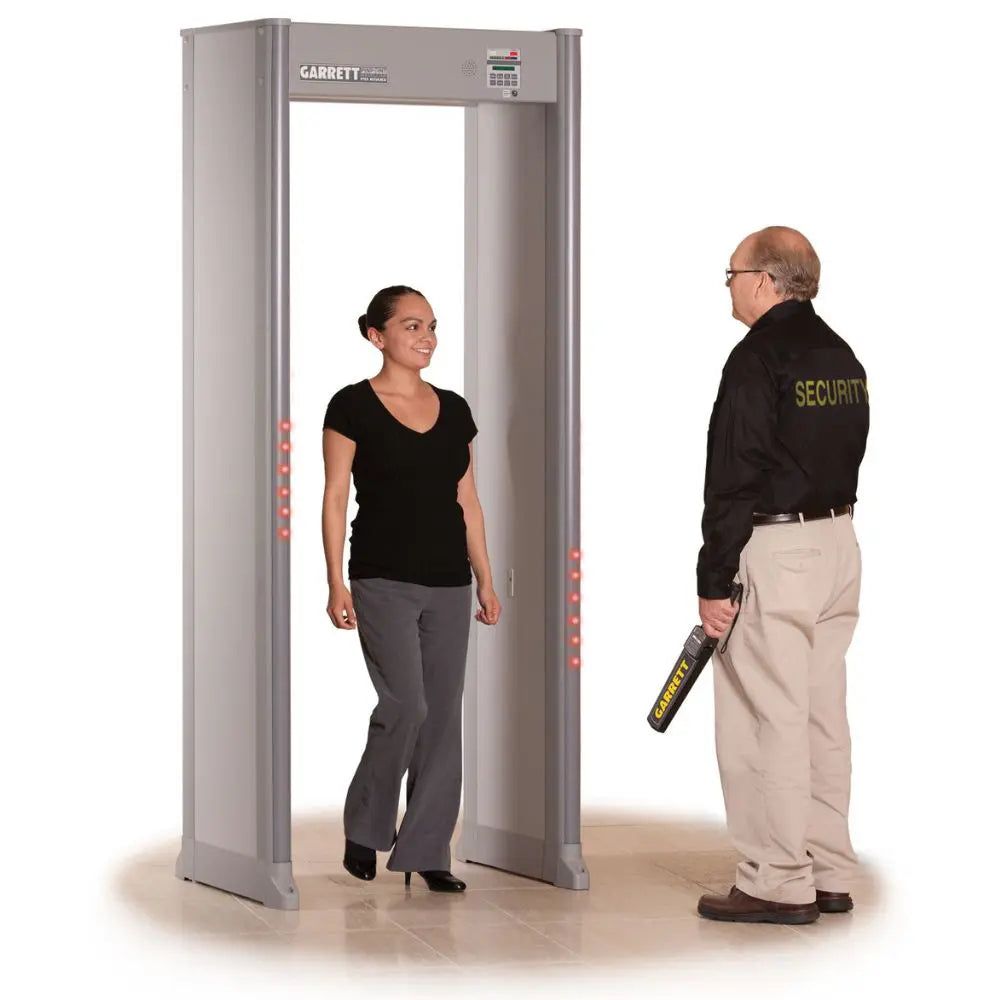
Metal detectors are used in security to detect concealed weapons or metal objects. In archaeology, they’re used for locating metal artifacts. In industry, they find metal contaminants in food or other products.
The technology behind metal detectors allows for various uses across different fields. Adjustments in sensitivity and settings can help in detecting specific types of metals or minimizing false alarms.
Metal detectors can differentiate between types of metals to some extent, based on conductivity and other properties. Some detectors are tuned for specific applications like finding coins, relics, or detecting threats in security settings.
In security, metal detectors help prevent prohibited items from entering secure areas. In industrial settings, they help ensure product safety by detecting contaminants. Archaeologists use them to locate historical artifacts without extensive digging.



💬 COMMENT