
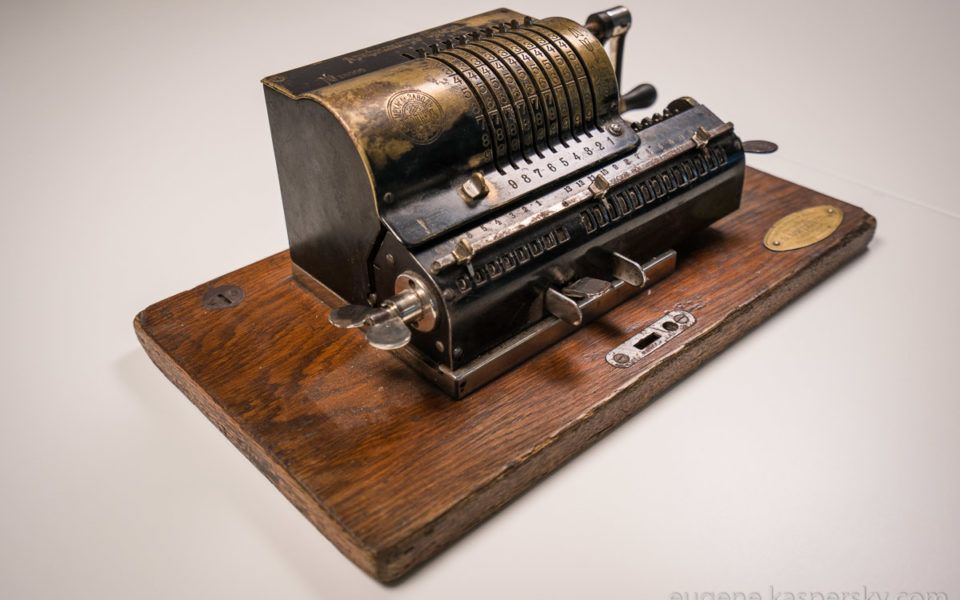
Introduction to Mechanical Calculators
Mechanical calculators are fascinating devices that played a crucial role in the history of computation. These machines were designed to perform mathematical calculations like addition, subtraction, multiplication, and division using mechanical or electromechanical components. Before the advent of electronic calculators, mechanical calculators were essential tools for accountants, engineers, scientists, and others who needed to perform calculations quickly and accurately.
The concept of mechanical calculators dates back to the 17th century. One of the earliest mechanical calculators was the Pascaline, invented by Blaise Pascal in 1642. This device could perform addition and subtraction and was a precursor to more sophisticated mechanical calculators that followed. Over the centuries, mechanical calculators evolved to become more efficient, capable of handling more complex operations, and were used in various fields for calculations.
Scientific Points of Mechanical Calculators
Mechanical calculators, as precursors to modern computing devices, embody significant scientific and engineering principles. These machines utilized mechanical components like gears, levers, and ratchets to perform arithmetic operations. The science behind mechanical calculators involves mechanics, precision engineering, and the representation of numerical data through mechanical movements.
Mechanical Principles and Operations
– Mechanical calculators like the Pascaline or Comptometer used gear trains and linkages to perform calculations. Each gear tooth or lever position corresponded to a numerical value or operation.
– The precision of mechanical parts was crucial for accurate calculations. Engineers had to account for tolerances and backlash in mechanical systems.
Representation of Numbers and Operations
– Numbers were often represented by the position of dials or counters. Operations like addition or subtraction were achieved through mechanical addition or subtraction of rotations or movements.
– Multiplication and division sometimes involved repeated addition or subtraction, leveraging the mechanical setup for these operations.
Limitations and Challenges
– Mechanical calculators faced limitations in speed, complexity of operations, and size. They were prone to mechanical wear and required maintenance.
– Despite these limitations, they were significant for their time, aiding in calculations for science, engineering, and commerce.
Historical Scientific Impact
– Mechanical calculators contributed to scientific and engineering calculations before electronic computers became prevalent.
– They demonstrated the feasibility of automating calculations, paving the way for more advanced computing machines.
Examples and Innovations
– The Curta calculator is a notable example of a compact mechanical calculator. Innovations in mechanical calculator design led to more efficient and user-friendly machines.


Write here