
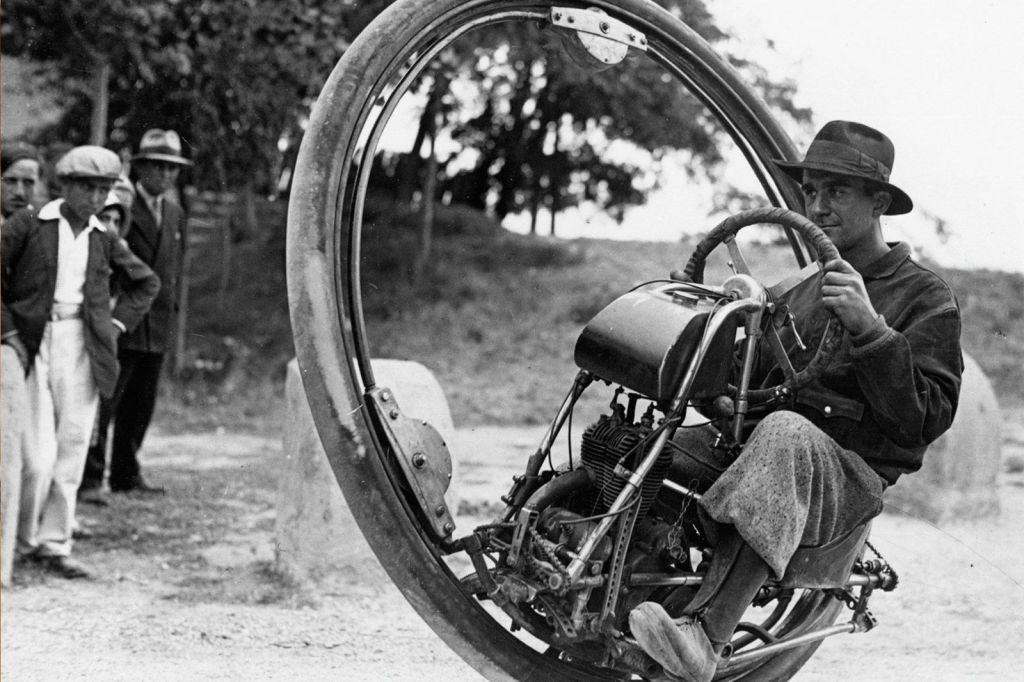
Imagine a world where transportation is not only efficient but also exciting and futuristic. Welcome to the world of monowheels, a revolutionary mode of transportation that is gaining popularity worldwide. In this article, we will explore the concept of monowheels, their benefits, and the potential impact on our daily lives.
What is a Monowheel?
A monowheel is a single-wheeled, self-balancing electric vehicle that uses gyroscopes and sensors to maintain balance and stability. It is powered by an electric motor and can reach speeds of up to 25 miles per hour. Monowheels are designed for short-distance travel. They are ideal for daily commutes. You can use them for running errands or simply having fun.
The Invention of the Monowheel
The monowheel is also known as the unicycle or single-wheel vehicle. It has a fascinating history. This history dates back to the early 19th century. German inventor Karl von Drais made the first recorded attempt at creating a monowheel in 1817. He designed a human-powered, single-wheeled vehicle called the “dandy horse”. However, the first practical monowheel was invented in the 1860s. British inventor James Starley added cranks and pedals to the design. The modern monowheel became popular in the 2010s. Companies like Segway and Solowheel introduced self-balancing, electric-powered monowheels. These could reach speeds of up to 25 miles per hour. Since then, the monowheel has evolved into a popular mode of transportation. It is also widely used for recreation. Various designs and models are available in the market today.
Benefits of Monowheels
1. Environmentally Friendly: Monowheels are electric. This means they produce zero emissions. They are an eco-friendly alternative to traditional fossil fuel-based vehicles.
2. Cost-Effective: Monowheels are relatively inexpensive to purchase and maintain, with some models starting at under $500.
3. Easy to Use: Monowheels are simple to operate, with most models featuring a intuitive control system that allows riders to accelerate, brake, and turn with ease.
4. Fun and Exciting: Monowheels are a blast to ride, providing a unique and thrilling experience that is sure to put a smile on your face.
5. Space-Saving: Monowheels are compact and lightweight, making them easy to store and transport.
Types of Monowheels
1. Electric Monowheels: These are the most common type of monowheel and are powered by an electric motor.
2. Gas-Powered Monowheels: These monowheels are powered by a gasoline engine and are typically more powerful than their electric counterparts.
3. Hybrid Monowheels: These monowheels combine an electric motor with a gasoline engine, providing a balance between power and efficiency.
Safety Features
1. Gyroscopes and Sensors: Monowheels use gyroscopes and sensors to maintain balance and stability, making them safe to ride.
2. Braking System: Most monowheels feature a reliable braking system that allows riders to slow down and stop quickly.
3.Safety Gear: It is recommended that riders wear safety gear, such as helmets and knee pads, when riding a monowheel.
Conclusion
Monowheels are an exciting and innovative mode of transportation that offer a range of benefits, from environmental sustainability to cost-effectiveness. With their ease of use, fun and exciting ride, and space-saving design, monowheels are an attractive option for those looking for a new way to get around. As technology continues to advance, we can expect to see even more impressive and efficient monowheels on the market. So why not give one a try? You might just find yourself joining the monowheel revolution!


💬 COMMENT