
Before starting this blog, let’s talk about today match India vs shri Lanka
Gear up, cricket fans! 🏏🔥 Today, India takes on Sri Lanka in an electrifying Asia Cup 2025 clash at the Dubai International Cricket Stadium! The match kicks off at 8 PM IST, and with India already in the finals and Sri Lanka looking to end their campaign on a high, it’s bound to be a thrilling game. Don’t miss out on the action—catch it live on Sony Sports Network or stream it on SonyLIV or on jio hotstar. Let’s cheer for our Men in Blue! 💙🇮🇳
Let’s start our blog
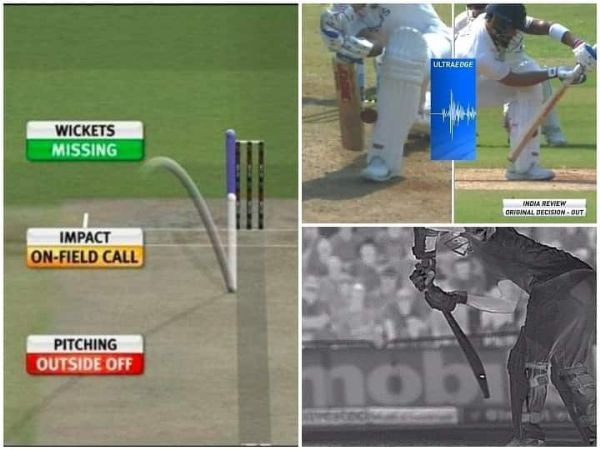
Several sensor technologies are used in cricket matches to enhance the game, improve player performance, and provide a better fan experience. Some of the key sensor technologies used in cricket include:
GPS Trackers ( buy from Amazon) : GPS trackers are used to monitor player movement, speed, and distance covered during a match. These trackers provide valuable insights into player performance and help coaches optimize training programs.
Accelerometer ( buy ) : Accelerometers measure the acceleration and deceleration of players, providing data on player movement patterns, intensity, and fatigue levels.
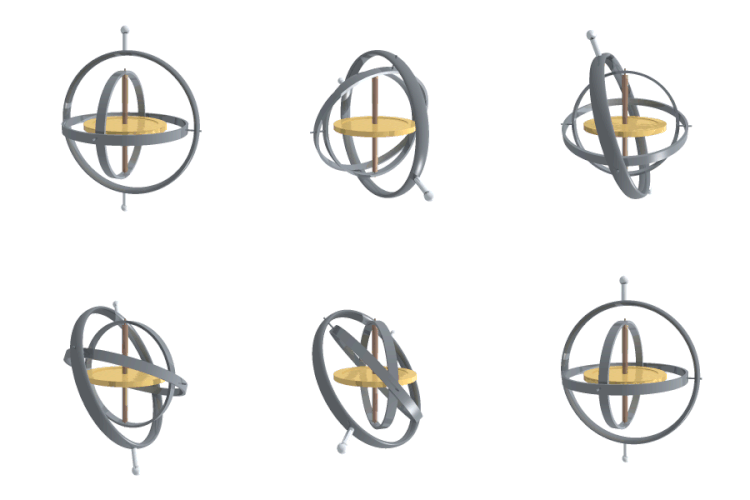
Gyroscopes: Gyroscopes measure the orientation and angular velocity of players, helping to track player movement and detect potential injuries.
Impact Sensors: Impact sensors are used in cricket helmets and protective gear to detect the impact of ball strikes, providing valuable insights into player safety.

Ball Tracking Sensors: Ball tracking sensors, such as Hawkeye, use cameras and sensors to track the trajectory of the ball, providing accurate data on ball speed, direction, and spin.
Motion Capture Sensors: Motion capture sensors are used to track player movement and biomechanics, providing detailed data on player technique and helping coaches optimize training programs.
Wearable Sensors: Wearable sensors, such as smartwatches and fitness trackers, monitor player heart rate, sleep patterns, and other vital signs, helping to detect potential health issues.
Force Plate Sensors: Force plate sensors measure the force exerted by players on the ground, providing valuable insights into player movement patterns and biomechanics.
These sensor technologies are used in various applications, including:
Player tracking and analysis: Monitoring player movement, speed, and distance covered during matches and training sessions.
Injury detection and prevention: Detecting potential injuries and providing insights into player safety.
Performance analysis: Analyzing player technique and providing data-driven insights to optimize training programs.
Game analysis: Tracking ball movement and providing accurate data on ball speed, direction, and spin.
By leveraging these sensor technologies, cricket teams and players can gain a competitive edge, improve performance, and reduce the risk of injury. Sensor technology


💬 COMMENT