

Understanding Active-Pixel Sensors (APS)
In the world of digital imaging, few innovations have had as profound an impact as the active-pixel sensor (APS). Revolutionizing the way we capture and perceive images, APS technology has enabled the development of high-quality, compact, and efficient image sensors that power everything from smartphones to advanced scientific instruments.
What is an Active-Pixel Sensor?
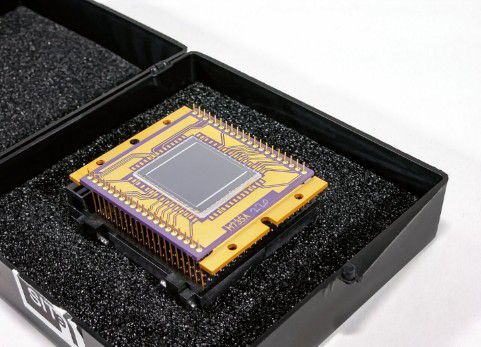
An active-pixel sensor is a type of image sensor that detects light and converts it into electrical signals. Unlike charge-coupled devices (CCDs), which rely on transferring charge between pixels, APS uses an array of pixels, each containing its own amplifier and readout circuitry. This active amplification process allows for more efficient light detection, reduced noise, and faster data transfer rates.
How APS Works
The APS architecture consists of several key components:
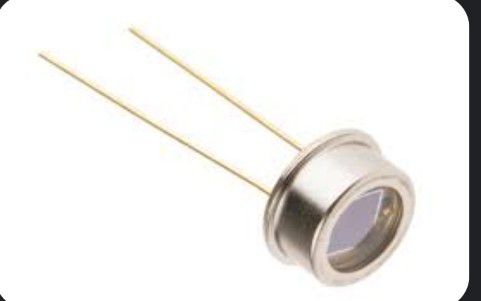
Photodiodes: These light-sensitive elements convert incident photons into electrical charge.
Amplifiers: Each pixel contains an amplifier that boosts the weak signal generated by the photodiode.
Reset transistors: These transistors reset the pixel to its original state after each exposure.
Row and column select lines: These lines enable the readout of specific pixels.
When light hits a photodiode, it generates a charge that is amplified and then read out as a signal. The resulting electrical signal is then processed and converted into a digital image.
Advantages of APS
The active-pixel sensor offers several advantages over traditional CCDs, including:
Improved sensitivity: APS technology allows for more efficient light detection, resulting in better low-light performance.
Increased dynamic range: APS can capture a wider range of tonal values, producing more detailed and nuanced images.
Faster readout speeds: APS enables rapid data transfer rates, making it suitable for applications requiring high frame rates.
Lower power consumption: APS typically requires less power than CCDs, making it a more energy-efficient option.
Applications of APS
The versatility of APS technology has led to its widespread adoption in various fields, including:
Smartphones and cameras: APS is used in many smartphone cameras and digital cameras, enabling high-quality image capture.
Medical imaging: APS is used in medical applications such as endoscopy and ophthalmology.
Scientific imaging: APS is used in scientific instruments, such as telescopes and spectrographs.
Industrial inspection: APS is used in machine vision systems for quality control and inspection.
Conclusion
The active-pixel sensor has revolutionized the field of digital imaging, enabling the development of high-quality, compact, and efficient image sensors. With its improved sensitivity, increased dynamic range, and faster readout speeds, APS technology has become an essential component in a wide range of applications. As technology continues to advance, we can expect to see even more innovative uses of APS in the future.


💬 COMMENT