
*
Imagine driving your car straight into the water and continuing your journey afloat. Sounds like science fiction, right? Well, not anymore! Amphibious cars are real, and they’re revolutionizing the way we think about transportation.
What are Amphibious Cars?
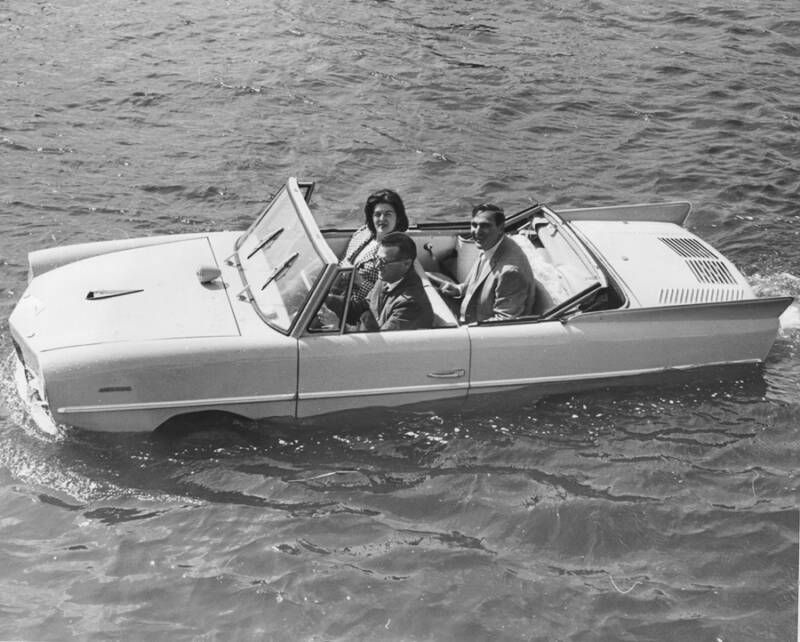
Amphibious cars are vehicles designed to operate on both land and water. They’re equipped with specialized propulsion systems, buoyancy aids, and waterproofing to ensure a smooth transition between environments.
In the world of innovative transportation, few vehicles have made a splash like the Amphicar. Designed by the visionary Hans Trippel and manufactured by the Quandt Group, this iconic amphibious vehicle took the world by storm in the 1960s.
A Splash of Innovation
Between 1961 and 1968, the Quandt Group produced an impressive 3,878 units of the Amphicar at their facilities in Lübeck and Berlin-Borsigwalde. This single-generation production run cemented the Amphicar’s place in history as a pioneering vehicle that dared to defy conventional boundaries.
The Name Says It All
The name “Amphicar” is a clever portmanteau of “amphibious” and “car,” perfectly capturing the vehicle’s dual nature. Whether cruising on land or floating on water, the Amphicar was designed to seamlessly transition between environments.
How Do They Work?
These cars typically feature:
– Propulsion systems: Electric or gas-powered propellers, water jets, or even paddle wheels provide the necessary thrust in water.
– Buoyancy aids: Foam or air-filled compartments help the vehicle stay afloat.
– Waterproofing: Seals and gaskets prevent water from entering the vehicle.
– Retractable wheels: Some models feature wheels that retract or fold up when in water mode.
Benefits of Amphibious Cars
1. Search and rescue: Amphibious cars can navigate through flooded areas, making them ideal for rescue operations.
2. Environmental monitoring: Scientists can use these vehicles to study marine life and monitor water quality.
3. Recreational activities: Imagine driving your car onto a lake or river and enjoying a relaxing cruise.
4. Coastal communities: Amphibious cars can provide a reliable transportation solution for people living in coastal areas prone to flooding.
Challenges and Limitations
1. Safety concerns: Amphibious cars require specialized safety features to protect occupants in both land and water environments.
2. Regulations: There may be regulatory hurdles to overcome, such as obtaining permits and meeting safety standards.
3. Cost: Amphibious cars are likely to be more expensive than traditional vehicles due to their complex design.
The Future of Amphibious Cars
As technology advances, we can expect to see more efficient, safe, and affordable amphibious cars on the market. With their potential to transform transportation and recreation, these vehicles are certainly worth keeping an eye on.
Whether you’re a thrill-seeker, a scientist, or simply someone who loves the water, amphibious cars offer an exciting glimpse into the future of transportation. Who knows? Maybe one day you’ll be driving your amphibious car to work – or at least to the beach!


💬 COMMENT