
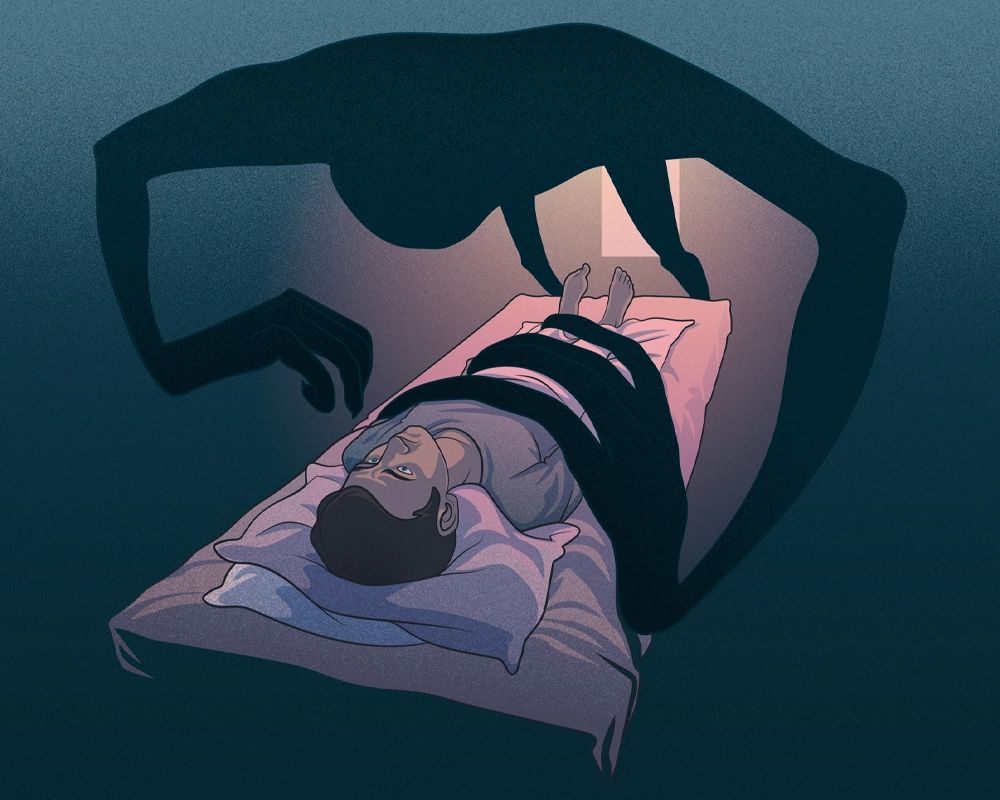
Sleep paralysis is a common yet frightening sleep disorder that affects millions of people worldwide. It occurs when a person is temporarily unable to move or speak while transitioning between sleep and wakefulness. Often accompanied by vivid hallucinations, it can feel like a nightmarish experience, but it’s generally harmless and short-lived.
This article explores the causes, symptoms, prevalence, risk factors, diagnosis, treatment, and prevention strategies for sleep paralysis, drawing from medical insights to help demystify this condition.What is Sleep Paralysis?Sleep paralysis is defined as a state where consciousness returns while the muscle atonia (paralysis) typical of rapid eye movement (REM) sleep persists.
During REM sleep, the body naturally paralyzes itself to prevent acting out dreams, but in sleep paralysis, this mechanism lingers into wakefulness. Episodes typically last from a few seconds to a couple of minutes and can happen as you’re falling asleep (hypnagogic) or waking up (hypnopompic).
The effects of sleep deprivation, which can contribute to sleep paralysis (illustrative diagram).CausesThe exact cause of sleep paralysis isn’t fully understood, but it’s linked to disruptions in the sleep cycle, particularly during the transition in and out of REM sleep.
Key contributing factors include:
Sleep Deprivation: Irregular sleep schedules, jet lag, or insufficient sleep can trigger episodes.
Stress and Anxiety: High levels of stress, anxiety disorders, or panic disorders increase the risk.
Sleep Disorders: Conditions like narcolepsy, insomnia, or obstructive sleep apnea are associated with higher incidences.
Lifestyle Factors: Substance use, such as alcohol or certain medications, and sleeping on your back can exacerbate the condition.
Genetic and Neurological Factors: Some research suggests a genetic predisposition or links to conditions like hypertension or Wilson’s disease
SymptomsDuring an episode, individuals are fully aware but paralyzed, unable to move limbs, speak, or even open their eyes in some cases.
Common symptoms include:
Inability to Move or Speak: The hallmark symptom, often lasting seconds to minutes.
Hallucinations: Vivid, often terrifying visions, such as sensing an evil presence, seeing shadows, or feeling pressure on the chest (known as the “incubus” phenomenon).
Sense of Doom: Intense fear, rapid heartbeat, or difficulty breathing.
Auditory or Tactile Sensations: Hearing voices, footsteps, or feeling touched.
These hallucinations can be culturally influenced, with some interpreting them as supernatural encounters.
Prevalence and Risk FactorsSleep paralysis affects about 8% of the general population at some point in their lives, with higher rates (up to 40%) among students and people with psychiatric conditions.
It’s more common in adolescents and young adults, and episodes may occur sporadically or recurrently.Risk factors include:
Age: Peaks between 14-17 years old.
Mental Health: Links to depression, PTSD, and bipolar disorder.
Sleep Position: More frequent when sleeping supine.
Shift Work or Jet Lag: Disrupts circadian rhythms.
Diagnosis
Diagnosis is primarily based on self-reported symptoms and sleep history. A healthcare provider may:Conduct a physical exam to rule out other conditions.
Recommend a sleep study (polysomnography) if narcolepsy or apnea is suspected.
Use questionnaires like the Sleep Paralysis Questionnaire to assess frequency and severity.
No specific lab test exists, but tracking episodes in a sleep diary can aid diagnosis.
Treatment
Most cases don’t require treatment as episodes are brief and infrequent. However, for recurrent or distressing paralysis:Address Underlying Conditions: Treat associated disorders like narcolepsy with medications (e.g., stimulants) or CPAP for apnea.
Medications: Antidepressants like SSRIs may reduce frequency by altering REM sleep.
Cognitive Behavioral Therapy (CBT): Helps manage anxiety and improve sleep hygiene.
Prevention
Preventing sleep paralysis focuses on improving sleep quality:Maintain a consistent sleep schedule, aiming for 7-9 hours per night.
Create a relaxing bedtime routine: Avoid screens, caffeine, and heavy meals before bed.
Manage stress through exercise, meditation, or therapy.
Sleep on your side rather than your back.
Avoid naps longer than 30 minutes if they disrupt nighttime sleep.
During an episode, focus on small movements (like wiggling a toe) or controlled breathing to break the paralysis.When to See a DoctorConsult a doctor if episodes are frequent, cause significant distress, or interfere with daily life. Seek immediate help if accompanied by excessive daytime sleepiness, which could indicate narcolepsy.
Conclusion
Sleep paralysis, while alarming, is a benign condition rooted in sleep biology rather than the supernatural. By understanding its causes and adopting healthy sleep habits, most people can reduce or eliminate episodes. If you’re experiencing this, know that you’re not alone, and professional help is available to improve your sleep health.


💬 COMMENT