
This soil contains an essential semiconductor named silicon which is mainly used to manufacture solar panel
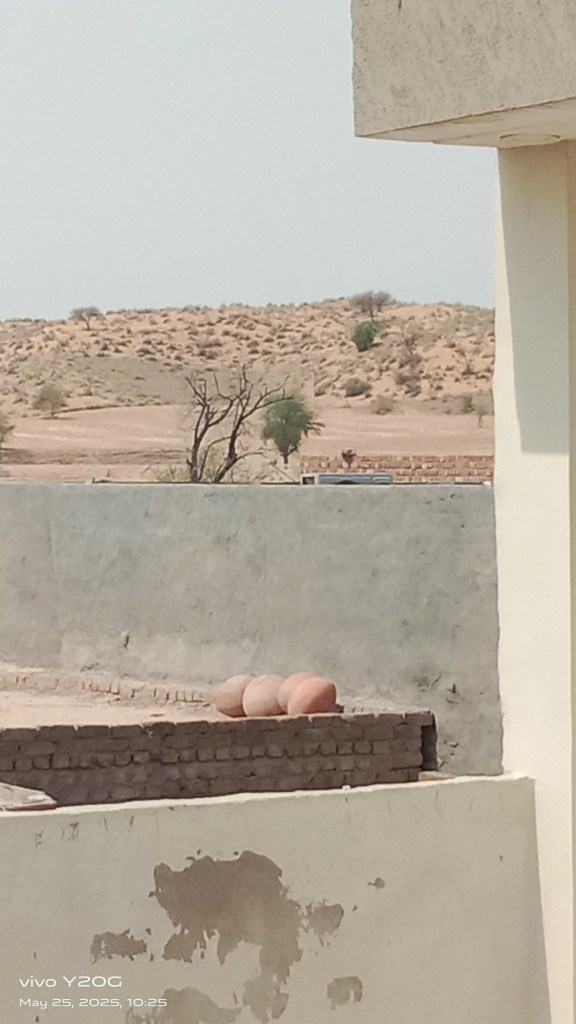
* Sandy Nature: Arid soils in Rajasthan are generally sandy, and sand is primarily composed of silicon dioxide (SiO2), which is silicon bonded with oxygen.
* Geological Origin: The desert region of Rajasthan has been shaped by the weathering of rocks, and many common rock types contain silicates (minerals made of silicon and oxygen). These weathered particles contribute to the soil composition.
* Mineral Content: While arid soils are often low in organic matter and nitrogen, they do contain various minerals. Silicon is a fundamental element in the Earth’s crust and is therefore present in most soils, even those in arid regions.
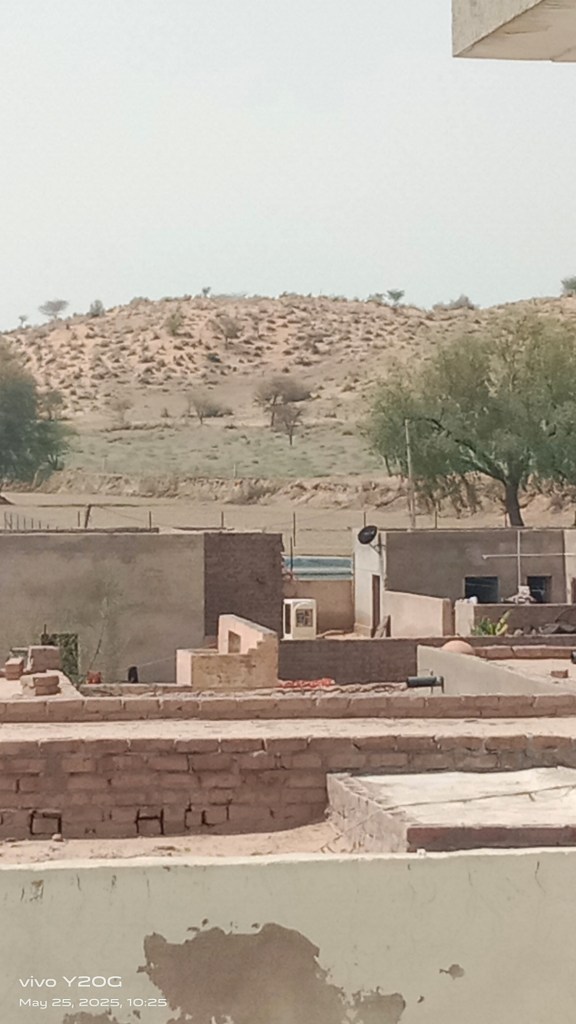
Rajasthan’s soil and groundwater do contain uranium, and in some areas, the levels are a significant concern.
Here’s a breakdown of the situation:
* Natural Presence: Uranium is a naturally occurring radioactive element found in the Earth’s crust. It’s present in trace quantities in various rocks, including granites and metamorphic rocks, which are found in Rajasthan’s geological formations. The weathering of these rocks contributes uranium to the soil and, subsequently, to groundwater.
* Deposits: Rajasthan has significant uranium deposits, particularly in areas like Umra (Udaipur) and Rohil (Sikar district). The Atomic Minerals Directorate for Exploration and Research (AMD) has identified substantial uranium oxide resources in these regions.
* Groundwater Contamination: While its presence in soil is expected at natural levels, the more pressing issue in Rajasthan is the high concentration of uranium in groundwater. Reports from the Central Ground Water Board (CGWB) indicate that a substantial percentage of groundwater samples in Rajasthan exceed the permissible uranium limit for drinking water set by the WHO (30 ppb). Districts like Alwar, Barmer, Jaipur, Jodhpur, Sikar, and Udaipur have been identified as hotspots for uranium contamination in groundwater.
* Factors Contributing to Groundwater Contamination:
* Geological factors: The presence of uranium-rich rocks (like granite formations) is a primary natural source.
* Over-extraction of groundwater: Excessive pumping of groundwater can draw uranium-rich water from deeper aquifers to the surface.
* Water chemistry: Certain geochemical conditions and the presence of bicarbonates in groundwater can increase uranium’s solubility and mobility.
* Anthropogenic factors: While natural factors are dominant, some studies suggest that agricultural practices, such as the use of phosphate fertilizers, might also contribute to uranium mobilization in groundwater.
* Health Concerns: Prolonged exposure to high levels of uranium in drinking water can lead to serious health issues, including kidney damage and an increased risk of urinary tract cancers.
In summary, while silicon is a ubiquitous element in Rajasthan’s sandy soils, uranium is also present, both naturally in the soil and rock formations, and as a concerning contaminant in the region’s groundwater due to a combination of geological and human-induced factors.



💬 COMMENT