

The development of radar, an acronym for “radio detection and ranging,” traces its origins to Heinrich Hertz’s late 19th-century experiments. These experiments validated James Clerk Maxwell’s theoretical predictions about electromagnetism, specifically the reflection of radio waves by metallic objects. While the fundamental principles were established early, practical implementation lagged. Christian Hülsmeyer, a German inventor, pioneered the first application of these principles in 1904, creating a basic ship detection device (Reichspatent Nr. 165546) designed to mitigate collisions in foggy conditions. However, the evolution of radar into a system providing both directional and ranging information, exemplified by the British Chain Home early warning system, spanned the subsequent two decades.

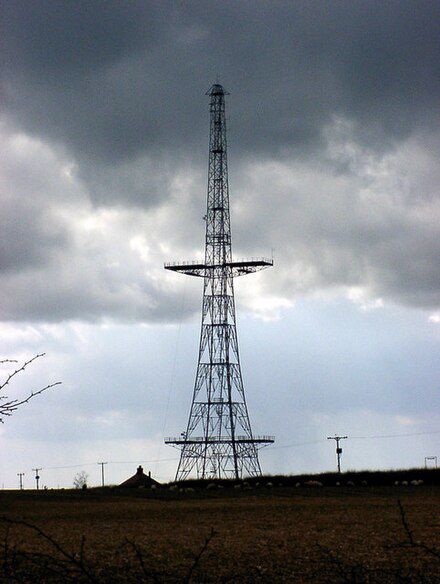
 A British Chain Home transmitter antenna, the first comprehensive radar system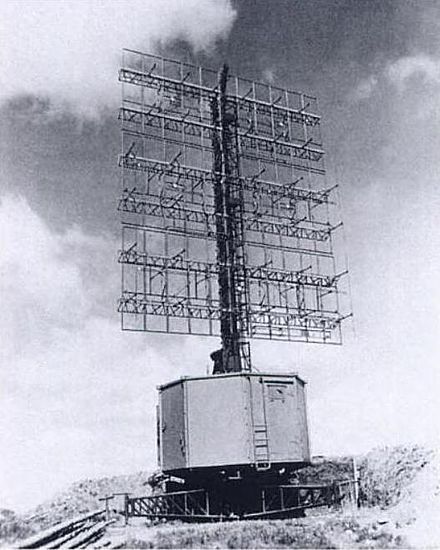

1….. How does radar detection work?
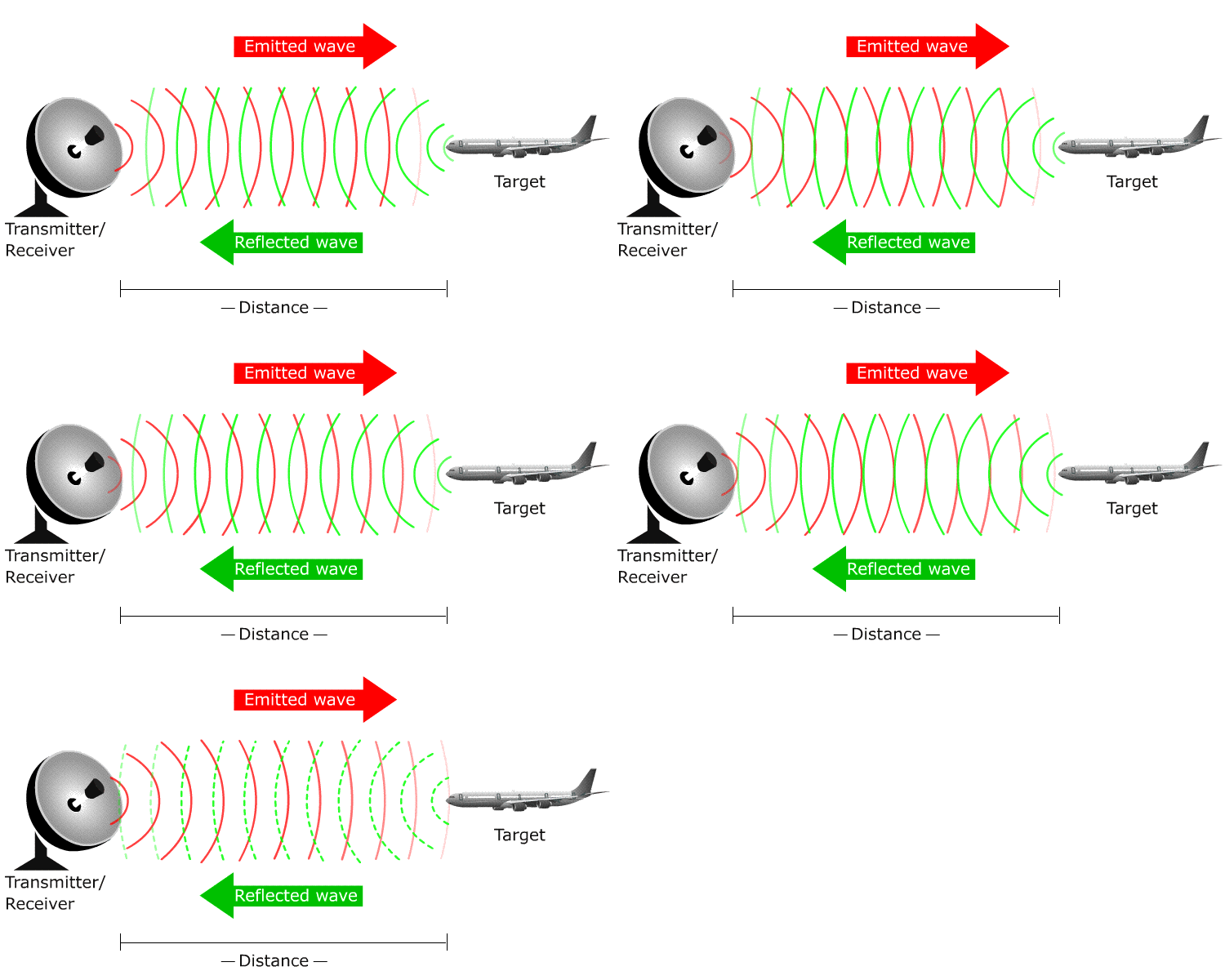
Radar detection utilizes emitted radio waves that reflect off objects, returning to a receiver; by measuring the time delay, frequency shift (Doppler effect), and signal strength of these reflected waves, the system calculates the target’s distance, velocity, and size, enabling object identification and positioning, and potentially triggering subsequent actions.
See the following picture to understand nicely
What are the radar technology’s characteristics?
Contactless: The radar detection measuring principle involves no contact at all. The sensor doesn’t have to have direct contact with a material or object being detected. Radar reliably measures and detects even at a long distance.
Anonymous: Radar sensors are used for industrial and automotive applications and don’t produce images. They merely form a sort of cloud of dots, which gives a rough indication of objects’ contours and the infrastructure of the surroundings. Contrary to with a camera, people are not identifiable.
Comprehensive data: Radar sensors detect movements and stationary objects. After signal processing, the data received through the reflection provides a variety of information about the detected objects, vehicles, animals, or persons. Data such as direction of movement, speed, distance, and angular position in relation to the sensor are available.
Multi-dimensional detection: Depending on its modulation, radar collects extensive data about its environment. This enables sensors to also record the environment in three dimensions, like a human eye.
Wide range variability: Radar waves spread freely in space or in the air. Depending on the sensor’s technical development and purpose, extreme ranges can be achieved if necessary. For commercial applications, the coverage range usually varies from one centimetre to a few hundred meters.
Material penetration: The electromagnetic waves of radar sensors penetrate various materials. Plastics, in particular, are very well-suited for covering or designing a radome – a dome-shaped protective casing for the antenna. It allows the sensors to be integrated discreetly into a product design.
Radar technology offers several significant advantages, making it valuable in various applications. :
* Weather Independence:
* Radar can operate effectively in adverse weather conditions like rain, fog, snow, and smoke. This is a major advantage over optical sensors like cameras and lidar, which are significantly affected by these conditions.
* Long-Range Detection:
* Radar systems can detect objects at considerable distances, often exceeding the range of other sensing technologies. This makes them crucial for applications like air traffic control and military surveillance.
* Speed and Distance Measurement:
* Radar inherently measures the speed and distance of objects. This capability is essential for applications such as:
* Traffic enforcement.
* Automotive safety systems.
* Air traffic control.
* Day and Night Operation:
* Unlike optical sensors, radar doesn’t rely on visible light, allowing it to function effectively in complete darkness.
* Versatility:
* Radar technology finds applications in diverse fields, including:
* Military defense.
* Aviation.
* Maritime navigation.
* Automotive safety.
* Weather forecasting.
* Object Tracking:
* Radar systems can track the movement of objects over time, providing valuable information about their trajectory and behavior.
In essence, radar’s ability to “see” through challenging conditions and provide accurate distance and speed information makes it a vital technology across many sectors.
. Parameters of radar technology
Not all radar is the same. The sensors often differ in terms of functions and properties. This is because, depending on the application, different configurations are required to conduct the desired measurement. The differences between different radar types are defined via two basic parameters: the frequency band used and the modulation.
Structure of radar

A radar system, at its core, is designed to transmit radio waves, receive their reflections, and then process those reflections to gather information about objects. Here’s a breakdown of the key components and their functions:
Core Components:
* Transmitter:
* This generates the radio frequency (RF) signals.
* It may produce pulses or continuous waves.
* Key elements include oscillators and modulators.
* Antenna:
* This radiates the transmitted RF energy into space.
* It also collects the reflected echoes.
* Often, a single antenna is used for both transmitting and receiving.
* Types vary, including parabolic reflectors and phased arrays.
* Receiver:
* This amplifies and processes the weak echo signals received by the antenna.
* It filters out unwanted noise and extracts the relevant information.
* Key components include:
* Low-noise amplifiers (LNAs)
* Mixers
* Filters
* Detectors
* Analog-to-digital converters (ADCs).
* Signal Processor:
* This analyzes the processed signals to determine the target’s:
* Range (distance)
* Azimuth (horizontal angle)
* Elevation (vertical angle)
* Velocity (speed and direction)
* Modern radar systems use digital signal processing (DSP) for sophisticated analysis.
* Display:
* This presents the processed information to the user.
* Displays can range from simple indicators to complex graphical interfaces.
Key Functional Aspects:
* Transmission and Reception:
* The transmitter generates radio waves, which the antenna radiates.
* When these waves encounter an object, they are reflected.
* The antenna captures the reflected waves (echoes).
* Signal Processing:
* The receiver amplifies the echoes, and the signal processor analyzes them to extract data.
* Doppler radar, for example, uses the Doppler effect to determine target velocity.
* Data Interpretation:
* The display presents the processed data, allowing users to understand the location, speed, and other characteristics of detected objects.
Essentially, the structure of a radar system is about generating, sending, receiving, and interpreting radio wave signals to provide information about distant objects.
There are even different types of radar
Based on Signal Type:
* Pulse Radar:
* This type transmits short bursts of radio waves and then listens for the echoes.
* It’s commonly used for determining the range of objects.
* Variations include:
* Basic pulse radar.
* Moving Target Indicator (MTI) radar, which filters out stationary objects to detect moving ones.
* Continuous Wave (CW) Radar:
* This type transmits a continuous stream of radio waves.
* It’s particularly useful for measuring the velocity of objects using the Doppler effect.
* Variations include:
* Doppler radar.
* Frequency-modulated continuous-wave (FMCW) radar, which varies the frequency of the transmitted signal to determine both range and velocity.
Based on Function:
* Weather Radar:
* Used to detect precipitation, wind, and other weather phenomena.
* Often utilizes Doppler radar to measure wind speeds.
* Navigation Radar:
* Used in ships and aircraft for navigation and obstacle avoidance.
* Helps determine the position and movement of other vessels or aircraft.
* Air Traffic Control (ATC) Radar:
* Used to monitor and control aircraft in the airspace around airports.
* Provides information on aircraft position, altitude, and speed.
* Surveillance Radar:
* Used for detecting and tracking objects over a wide area.
* Applications include military surveillance, border control, and security.
* Mapping Radar:
* Used to create detailed images of the Earth’s surface.
* Synthetic Aperture Radar (SAR) is a common type that produces high-resolution images.
* Target Acquisition Radar:
* used to locate and track targets for weapons systems.
Other Important Distinctions:
* Monostatic Radar:
* The transmitter and receiver are located in the same place.
* Bistatic Radar:
* The transmitter and receiver are located in different places.
Understanding these different types of radar helps to appreciate the wide range of applications that this technology enables.
If you want to make project relate to radar system you can use this ultrasonic sensor to make a simple radar at home
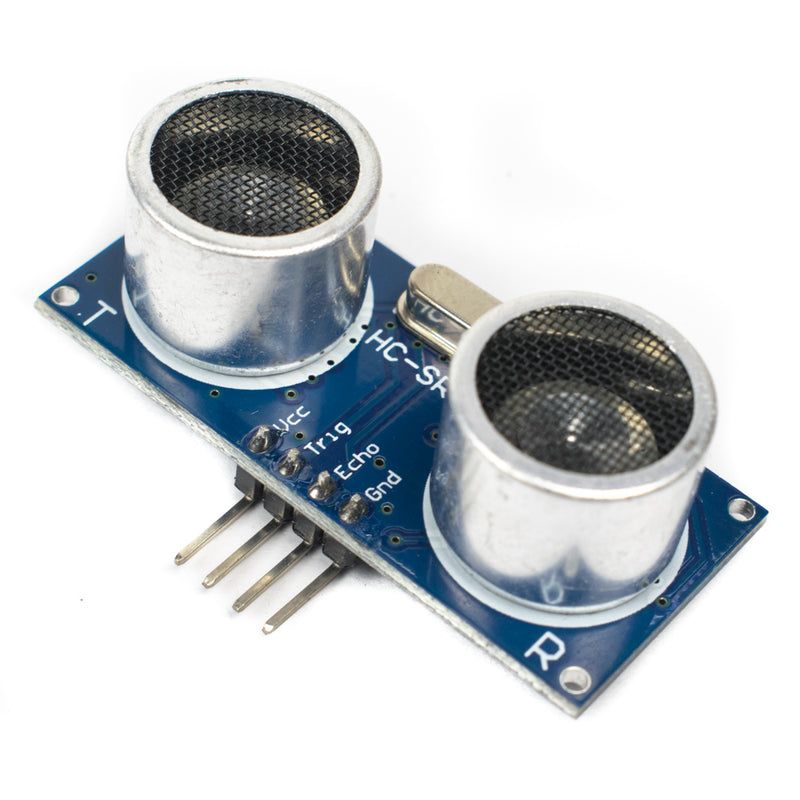
https://www.hnhcart.com/products/ultrasonic-sensor-hc-sr04-1-piece


Leave a Reply to vermavkv Cancel reply